


How Do Smart Door Locks Work
Sep 15, 2026
Leave a message
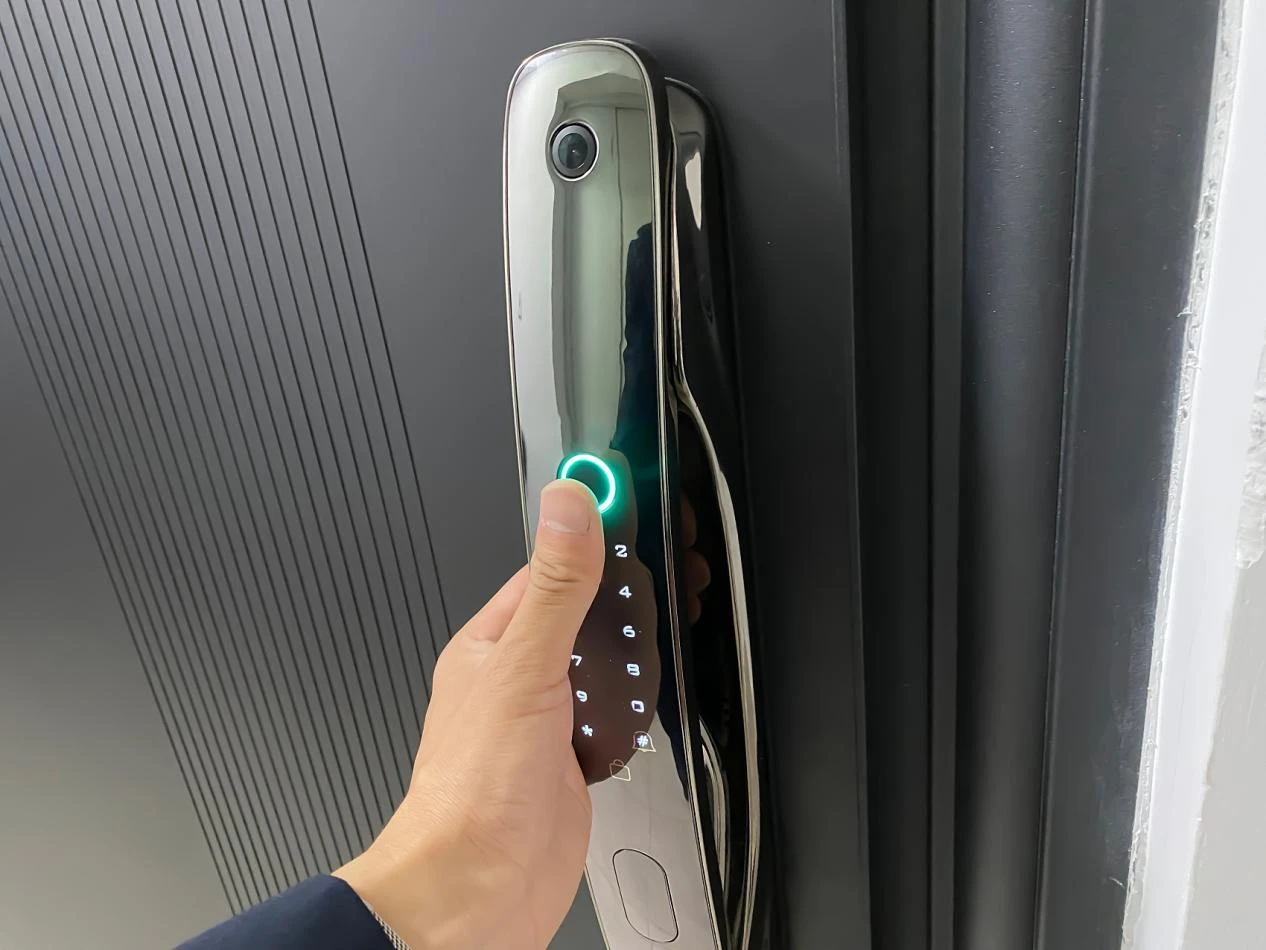
Step 1: Identity Verification.
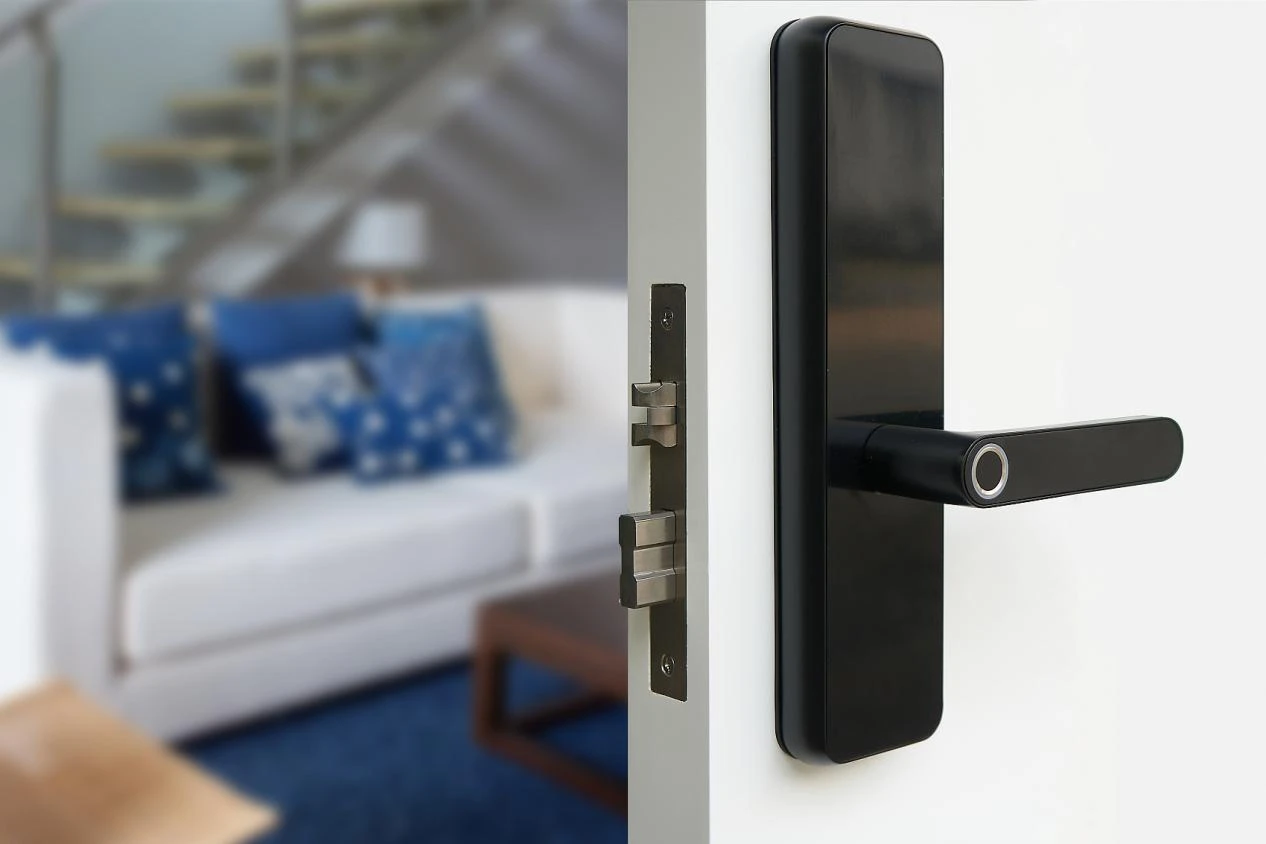
The smart lock collects the user's biometric features (such as fingerprints, facial recognition, vein patterns, etc.), or passwords and card information. Among these, semiconductor fingerprint recognition includes a liveness detection function to prevent fake fingerprints, while 3D structured light facial recognition can prevent photo spoofing.
Step 2: Signal Processing.
The smart lock compares the collected information with the built-in database and ensures secure communication through encryption technology (e.g., financial-grade encryption). If the verification is successful, the system will send an unlock command.
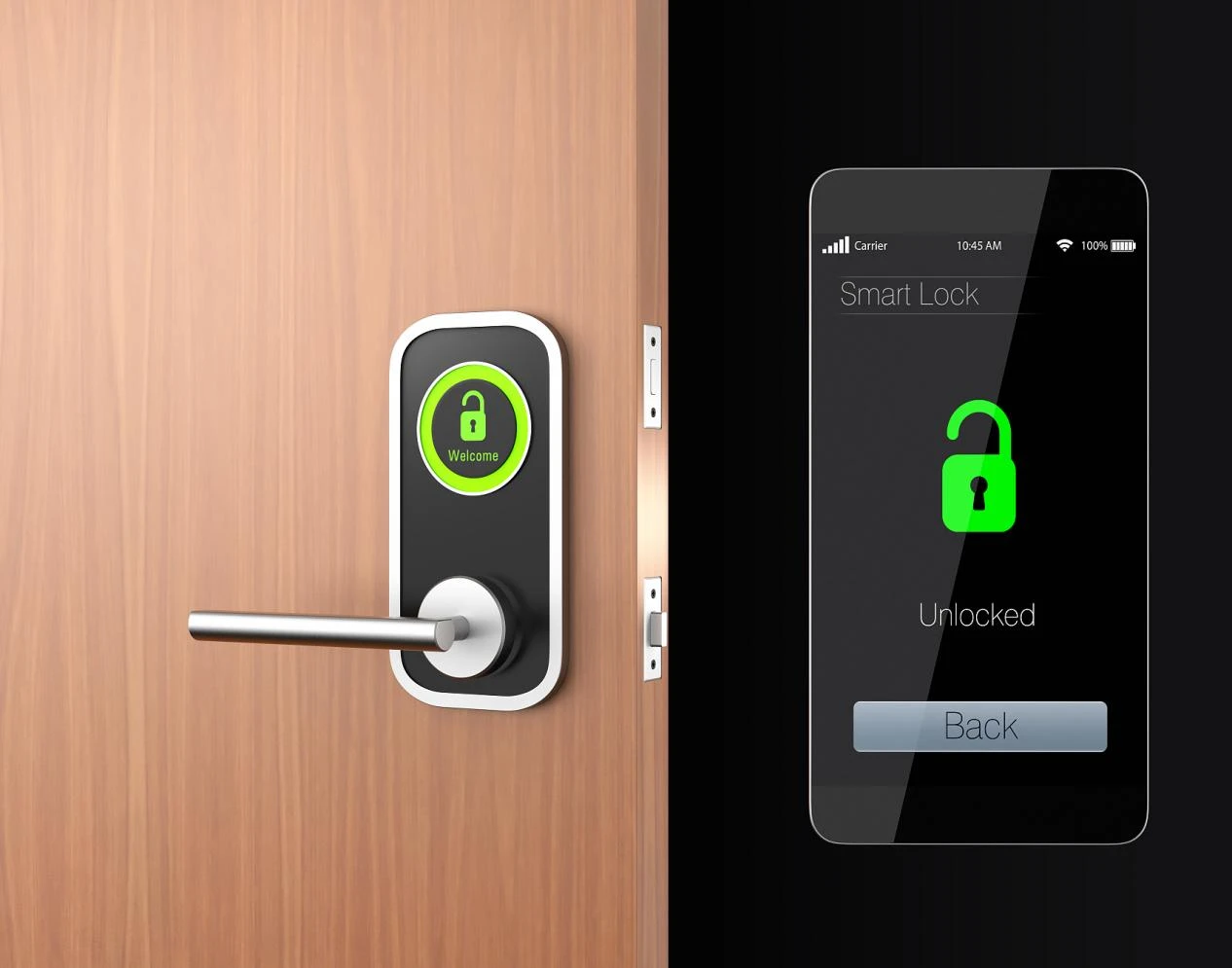
Step 3: Execute the unlocking.
The motor drives the clutch mechanism, which moves the square rod (square steel) to control the extension and retraction of the latch, thereby completing the mechanical unlocking. Some models also support remote unlocking or power-free unlocking.
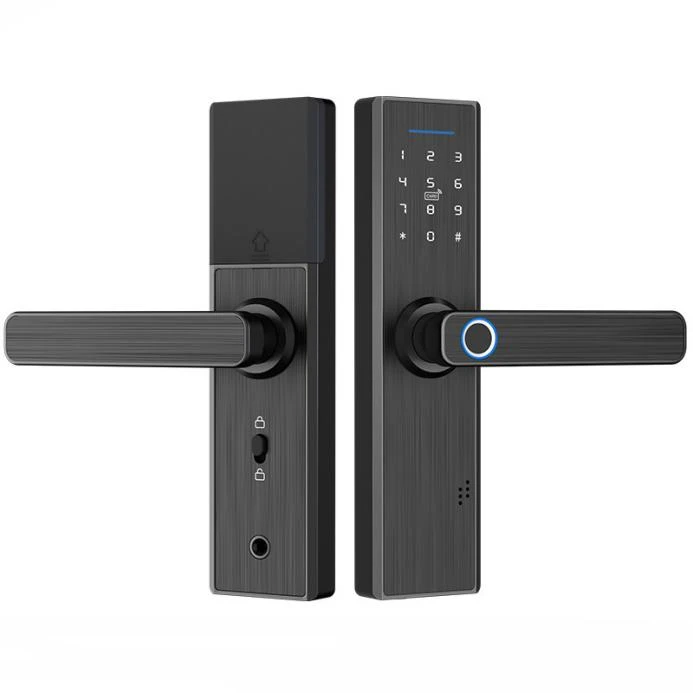
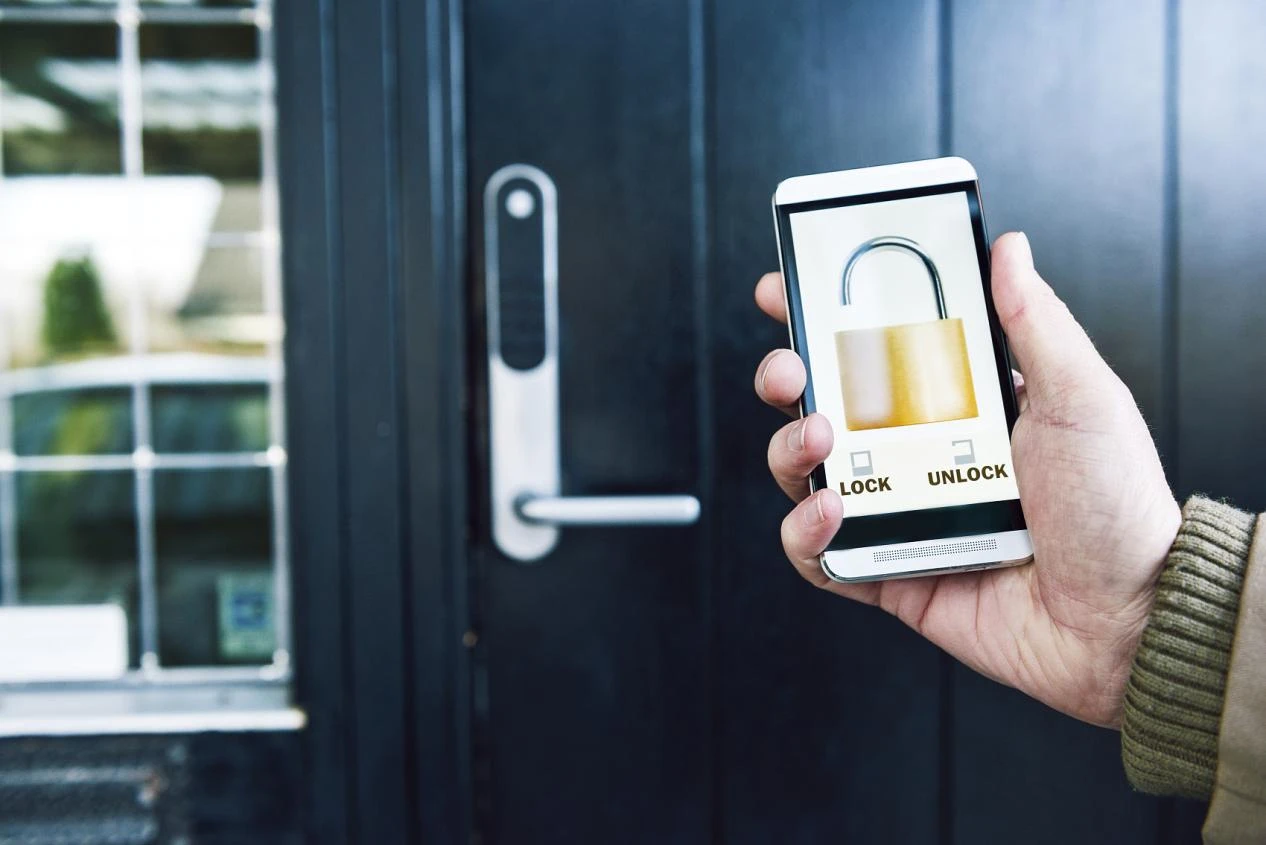
In addition, smart locks must be equipped with a backup mechanical key, as this is a mandatory national requirement. This key can be used for emergency unlocking in case of electronic malfunctions, with physical security primarily relying on Class C lock cores and alloy materials.
Smart locks also feature multiple core operation modes, including biometric authentication (fingerprint recognition, vein recognition, 3D facial recognition), password and card access (virtual passwords, temporary passwords, encrypted IC card recognition, etc.), network connectivity and remote control, as well as mechanical emergency unlocking. And Huili smart door locks achieve a balance between convenience and security through the integration of multiple technologies.
Send Inquiry