


What materials are cam locks made of?
Jul 29, 2026
Leave a message
Hey there! I'm a supplier of cam locks, and today I'm gonna dive into the materials used to make these nifty little locks. Cam locks are super common and can be found in all sorts of places, from cabinets and drawers to toolboxes and mailboxes. So, let's take a closer look at what they're made of.
Metal Materials
Steel
Steel is one of the most popular materials for cam locks. It's strong, durable, and can withstand a lot of wear and tear. There are different types of steel used, like carbon steel and stainless steel.
Carbon steel is affordable and has good strength. It's often used in general-purpose cam locks. However, it can rust if exposed to moisture for long periods. That's where stainless steel comes in. Stainless steel contains chromium, which gives it excellent corrosion resistance. It's perfect for cam locks that will be used in outdoor or high - humidity environments. For example, if you're looking for a cam lock for a post box that's outside all year round, a stainless - steel cam lock would be a great choice. You can check out our Post Box Cam Lock for more details.
Brass
Brass is another great material for cam locks. It has a nice appearance, with a golden - like color that can add a touch of elegance to the lock. Brass is also corrosion - resistant, especially in indoor environments. It's relatively easy to machine, which means the locks can be made with precise details. Brass cam locks are often used in high - end furniture or decorative cabinets. They offer a good balance between strength and aesthetics.
Aluminum
Aluminum is lightweight and corrosion - resistant. It's a great option for applications where weight is a concern, like in some portable equipment or cabinets that need to be moved around frequently. Aluminum cam locks are also relatively inexpensive compared to some other materials. However, they may not be as strong as steel or brass, so they're usually used in less demanding applications.
Plastic Materials
Polycarbonate
Polycarbonate is a strong and impact - resistant plastic. It can withstand a fair amount of force without breaking. Cam locks made of polycarbonate are often used in applications where transparency might be an advantage, or in environments where a non - metallic material is preferred. For example, in some electronic enclosures, a polycarbonate cam lock can be used to provide security while allowing users to see inside the enclosure.
Acrylonitrile Butadiene Styrene (ABS)
ABS is a common plastic used in many consumer products. It's known for its good mechanical properties, such as toughness and rigidity. ABS cam locks are cost - effective and can be molded into various shapes. They're often used in low - to medium - security applications, like in some home furniture or small storage boxes.
Other Materials
Wood
In some cases, cam locks can be made with wood components. Wood can add a natural and warm look to the lock. It's often used in combination with other materials, like metal or plastic, to create a unique design. For example, a wooden cabinet might have a cam lock with a wooden handle for a more rustic or traditional look.
Composite Materials
Composite materials are made by combining two or more different materials to get the best properties of each. For cam locks, composite materials can offer a balance of strength, durability, and cost - effectiveness. For instance, a composite cam lock might have a metal core for strength and a plastic outer layer for corrosion resistance and a smooth finish.

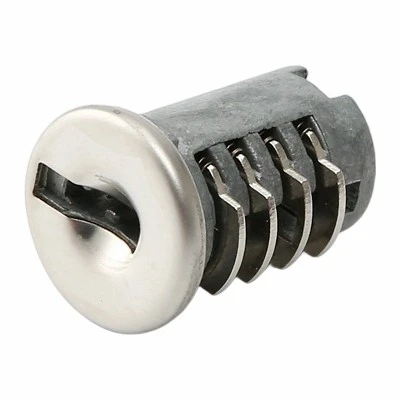
Now, let's talk about some specific types of cam locks and the materials they're made of.
The Euro Locks Cam Lock is often made of high - quality steel or brass. These materials ensure that the lock is strong and can provide reliable security. The Euro lock design is widely used in European cabinets and furniture, and the choice of materials helps it meet the high - standards of quality and durability.
If you're looking for a cam lock without a key, like our Cam Lock without Key, the materials used can vary. It could be made of plastic for a more lightweight and cost - effective option, or it could be made of metal for added strength and security.
So, when choosing a cam lock, it's important to consider the material based on your specific needs. If you need a high - security lock for a valuable storage cabinet, steel or brass might be the way to go. If you're looking for a budget - friendly option for a small home project, plastic could be a good choice.
As a cam lock supplier, I'm here to help you find the right cam lock for your needs. Whether you're a DIY enthusiast working on a home project or a business owner looking for locks for your products, I can offer you a wide range of cam locks made from different materials. If you're interested in purchasing cam locks or have any questions about the materials or the locks themselves, feel free to reach out. We can have a chat and figure out the best solution for you.
References
- "Materials Science and Engineering: An Introduction" by William D. Callister, Jr. and David G. Rethwisch
- Industry reports on lock manufacturing and materials used in the security industry.
Send Inquiry