


What is the difference between a cable notebook lock and a regular lock?
Sep 30, 2025
Leave a message
Hey there! As a supplier of Cable Notebook Locks, I often get asked about the difference between a cable notebook lock and a regular lock. Well, let's dive right in and break it down.
Physical Design
First off, let's talk about the physical design. A regular lock, like the ones you might use for your front door or a padlock for a shed, is usually a solid, compact unit. It's built with a shackle that goes through a hasp or a loop, and when you lock it, the shackle gets secured in place, preventing it from being opened without the key or combination. These locks are often made of heavy - duty metals like steel, and they're designed to be tough and durable.
On the other hand, a Cable Notebook Lock has a completely different design. Instead of a solid shackle, it features a flexible cable. This cable is usually made of strong materials like braided steel wire, which is then covered with a protective outer layer, often made of plastic or vinyl. The cable can be wrapped around objects, and then it's inserted into the locking mechanism of the lock. This flexibility is a huge advantage when it comes to securing your notebook. You can wrap the cable around the leg of a table, a chair, or a pole, and then lock your notebook to it.

Portability
Portability is another key difference. Regular locks can be quite bulky and heavy, especially if they're made for high - security applications. Carrying around a big, heavy padlock in your bag all day can be a real hassle. And if you forget it at home, you're out of luck when you need to secure your stuff.
Cable notebook locks, however, are super portable. The flexible cable can be easily coiled up, and the lock itself is usually small and lightweight. You can throw it in your backpack or laptop bag without even noticing the extra weight. This makes it ideal for people who are always on the go, like students, business travelers, and digital nomads. You can take it with you wherever you go and always have a way to secure your notebook.
Security Level
When it comes to security, both types of locks have their pros and cons. Regular locks are generally considered to be more secure in terms of brute - force resistance. Since they're made of solid metal, it's much harder to break them open with a hammer or a pair of bolt cutters. High - quality regular locks are often rated for different levels of security, and you can choose one based on your specific needs.
But cable notebook locks also have their own security features. The steel cables used in these locks are designed to be cut - resistant. The outer protective layer not only protects the cable from damage but also makes it more difficult to grip and cut. And many cable notebook locks come with advanced locking mechanisms, like combination locks or key - operated locks with anti - pick features. However, if someone really wants to steal your notebook and has the right tools, they might be able to cut through the cable. But the idea is that the lock acts as a deterrent. Most thieves won't want to spend the time and effort to cut through the cable when there are easier targets around.
Versatility
Versatility is where cable notebook locks really shine. As I mentioned earlier, the flexible cable allows you to secure your notebook to a wide variety of objects. You're not limited to using it in one specific way. You can use it in coffee shops, libraries, offices, or even outdoors.
Regular locks, on the other hand, are more limited in their use. A padlock is mainly used for securing things like gates, sheds, or lockers. You can't really use a padlock to secure your notebook to a table leg in a coffee shop.
Ease of Use
Ease of use is also an important factor. Regular locks often require a bit of skill to use, especially if they're combination locks. You need to remember the combination, and if you forget it, you might be in trouble. Key - operated regular locks can also be a hassle if you lose the key.
Cable notebook locks are incredibly easy to use. With a combination lock, you just set the combination and you're good to go. And if you forget the combination, many locks have a reset feature. Key - operated cable notebook locks are also straightforward. You just insert the key, turn it, and the lock is either opened or closed.
Applications
Let's talk about the applications of these two types of locks. Regular locks are commonly used in residential and commercial settings. You'll see them on doors, gates, and storage units. They're designed to provide long - term security for large, fixed objects.
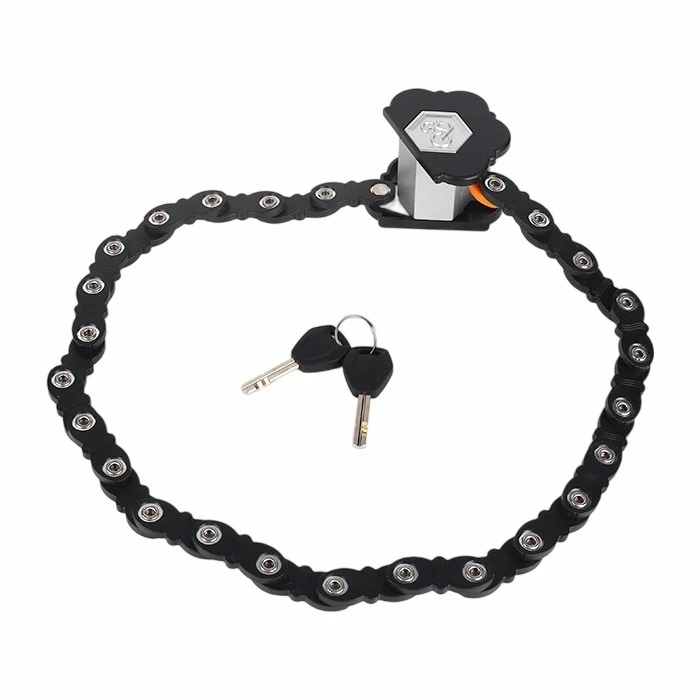
Cable notebook locks, as the name suggests, are mainly used for securing notebooks and other portable electronics. But they can also be used for other things. For example, you can use a cable notebook lock to secure your Folding Bicycle Lock to a bike rack or your Window Handle Lock with Cylinder to a window frame.
Cost
Cost is always a consideration. Regular locks can vary widely in price depending on their size, quality, and security features. High - end regular locks can be quite expensive, especially if they're made by well - known brands.
Cable notebook locks are generally more affordable. You can find a decent cable notebook lock for a relatively low price. This makes them a great option for people on a budget who still want to protect their notebooks.
So, Which One Should You Choose?
If you're mainly looking for a lock to secure your notebook and you're on the move a lot, a cable notebook lock is probably the way to go. It's portable, easy to use, and versatile. But if you need a lock for a high - security application, like securing a large storage unit or a valuable piece of equipment, a regular lock might be a better choice.
If you're interested in purchasing cable notebook locks for your business or personal use, I'd love to have a chat with you. We offer a wide range of cable notebook locks with different features and price points. Whether you need a small batch for personal use or a large order for your company, we can help. Just reach out, and we can start discussing your specific requirements.
References
- "Lock Security Basics" - Locksmith Journal
- "Portable Electronics Security: A Guide" - Tech Security Magazine
Send Inquiry