


What about electrical box locks for large boxes?
Oct 23, 2025
Leave a message
What about Electrical Box Locks for Large Boxes?
As a seasoned supplier of electrical box locks, I've witnessed firsthand the growing demand for robust security solutions in the electrical industry. Large electrical boxes are often used to house critical equipment and sensitive wiring, making them prime targets for unauthorized access. In this blog post, I'll delve into the world of electrical box locks for large boxes, exploring their importance, types, and key considerations.
The Importance of Electrical Box Locks for Large Boxes
Large electrical boxes are commonly found in commercial buildings, industrial facilities, and outdoor installations. They contain valuable electrical components, such as circuit breakers, transformers, and control panels, which are essential for the proper functioning of electrical systems. Without adequate security measures, these boxes are vulnerable to theft, vandalism, and tampering, which can lead to costly downtime, equipment damage, and safety hazards.
Electrical box locks provide a simple yet effective way to protect these valuable assets. By restricting access to authorized personnel only, locks help prevent unauthorized entry and ensure the integrity of electrical systems. They also act as a deterrent, discouraging potential thieves and vandals from attempting to gain access to the boxes.

Types of Electrical Box Locks for Large Boxes
There are several types of electrical box locks available on the market, each with its own unique features and benefits. Here are some of the most common types:
Padlocks
Padlocks are one of the most traditional and widely used types of locks for electrical boxes. They are available in a variety of sizes, styles, and materials, including brass, steel, and stainless steel. Padlocks are easy to install and remove, making them a convenient option for temporary or occasional use. However, they are also relatively easy to pick or cut, making them less secure than other types of locks.
Cam Locks
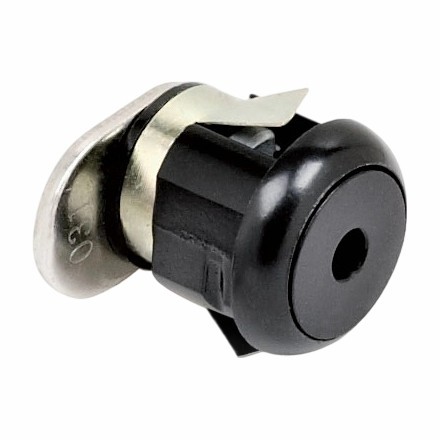
Cam locks are another popular type of lock for electrical boxes. They consist of a cam, which is a rotating arm that engages with a strike plate, and a key or combination mechanism that controls the rotation of the cam. Cam locks are available in a variety of styles, including wafer tumbler cam locks, tubular cam locks, and magnetic cam locks. They are typically more secure than padlocks, as they are more difficult to pick or bypass.
Some of our popular cam lock products include RV Cam Locks Keyed Alike and Cam Lock without Key. These locks are designed to provide reliable security for a variety of applications, including RVs, cabinets, and electrical boxes.
Deadbolts
Deadbolts are a type of lock that uses a solid bolt to secure the door or lid of an electrical box. They are typically more secure than padlocks and cam locks, as they are more difficult to pick or force open. Deadbolts are available in a variety of sizes and styles, including single-cylinder deadbolts, double-cylinder deadbolts, and mortise deadbolts.
Electronic Locks
Electronic locks are a relatively new type of lock for electrical boxes. They use electronic technology, such as keypads, proximity sensors, or biometric scanners, to control access to the boxes. Electronic locks offer several advantages over traditional locks, including increased security, convenience, and flexibility. They can be programmed to allow access to specific individuals or groups of individuals, and they can also provide audit trails and remote monitoring capabilities.
Key Considerations When Choosing Electrical Box Locks for Large Boxes
When choosing electrical box locks for large boxes, there are several key considerations that you should keep in mind. Here are some of the most important factors to consider:
Security Level
The security level of the lock is one of the most important factors to consider. You should choose a lock that provides a high level of security, based on the specific needs and requirements of your application. For example, if you are using the lock to secure a high-value electrical box in a high-risk area, you may want to choose a more secure lock, such as a deadbolt or an electronic lock.
Durability
The durability of the lock is another important factor to consider. You should choose a lock that is made from high-quality materials and is designed to withstand the harsh environmental conditions that are commonly found in electrical installations. For example, if you are using the lock in an outdoor installation, you may want to choose a lock that is made from stainless steel or another corrosion-resistant material.
Ease of Use
The ease of use of the lock is also an important factor to consider. You should choose a lock that is easy to install, operate, and maintain. For example, if you are using the lock in a high-traffic area, you may want to choose a lock that is easy to open and close, such as a cam lock or an electronic lock.
Compatibility
The compatibility of the lock with the electrical box is another important factor to consider. You should choose a lock that is designed to fit the specific size and style of your electrical box. For example, if you are using a large electrical box with a thick door or lid, you may want to choose a lock that has a longer bolt or a larger cam.
Cost
The cost of the lock is also an important factor to consider. You should choose a lock that provides a good balance between security, durability, ease of use, and cost. For example, if you are on a tight budget, you may want to choose a more affordable lock, such as a padlock or a cam lock. However, if you are willing to invest in a higher level of security, you may want to choose a more expensive lock, such as a deadbolt or an electronic lock.
Conclusion
Electrical box locks for large boxes are an essential component of any electrical security system. They provide a simple yet effective way to protect valuable electrical components from theft, vandalism, and tampering. When choosing electrical box locks, it is important to consider the security level, durability, ease of use, compatibility, and cost of the lock. By choosing the right lock for your specific needs and requirements, you can ensure the safety and security of your electrical systems.
If you are interested in learning more about our electrical box locks or would like to discuss your specific security needs, please don't hesitate to contact us. We would be happy to provide you with more information and help you choose the right lock for your application.
References
- "Security Locks for Electrical Equipment." Electrical Safety Foundation International.
- "Choosing the Right Lock for Your Electrical Box." Locksmith Ledger.
- "Types of Locks for Electrical Boxes." Home Depot.
Send Inquiry