


How do I ensure that a keypad deadbolt lock does not interfere with the fire safety of a building?
Dec 11, 2025
Leave a message
As a supplier of keypad deadbolt locks, I understand the importance of ensuring that our products do not interfere with the fire safety of a building. Fire safety is a critical concern for any building owner or manager, and it is our responsibility to provide locks that meet the necessary safety standards. In this blog post, I will discuss the steps I take to ensure that our keypad deadbolt locks are fire-safe and do not pose a risk to building occupants.
Understanding Fire Safety Regulations
The first step in ensuring that our keypad deadbolt locks do not interfere with fire safety is to understand the relevant regulations and standards. Fire safety regulations vary depending on the location and type of building, but they generally require that doors be able to be opened easily from the inside in the event of a fire. This means that locks should not prevent occupants from exiting the building quickly and safely.
In the United States, the National Fire Protection Association (NFPA) sets the standards for fire safety in buildings. The NFPA 101, also known as the Life Safety Code, is the most widely adopted fire safety code in the country. It requires that doors in buildings be equipped with panic hardware or other devices that allow them to be opened easily from the inside without the use of a key.
In addition to the NFPA standards, local building codes may also have specific requirements for fire safety. It is important to stay up-to-date on these regulations and ensure that our keypad deadbolt locks comply with all applicable codes.
Designing Fire-Safe Keypad Deadbolt Locks
Once we have a clear understanding of the fire safety regulations, we can begin designing our keypad deadbolt locks to meet these requirements. One of the key features of a fire-safe keypad deadbolt lock is its ability to be easily opened from the inside without the use of a key.
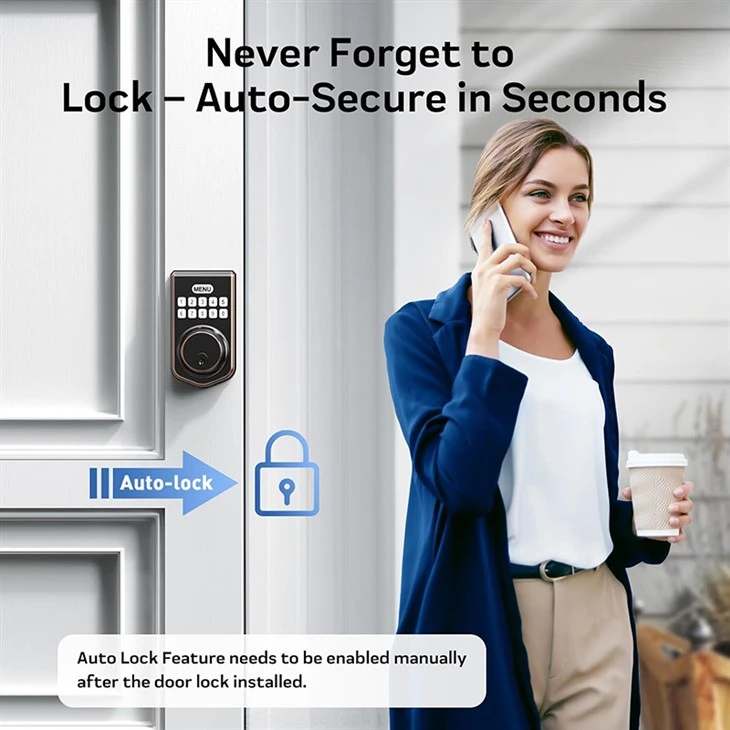
Our locks are designed with a simple and intuitive keypad interface that allows users to enter a code to unlock the door. In the event of a fire, occupants can quickly enter the code and exit the building. We also offer locks with a panic release feature, which allows the door to be opened from the inside by simply turning a lever or pushing a button.
In addition to the keypad and panic release features, our locks are also designed to be durable and reliable. They are made from high-quality materials that can withstand the heat and pressure of a fire. Our locks are also tested to ensure that they meet the relevant fire safety standards.
Testing and Certification
To ensure that our keypad deadbolt locks are fire-safe, we subject them to rigorous testing and certification processes. We work with independent testing laboratories to test our locks for fire resistance, durability, and other performance characteristics.
The testing process typically involves exposing the locks to high temperatures and flames to simulate a fire. The locks are then evaluated to determine how well they perform under these conditions. If the locks meet the required standards, they are issued a certification indicating that they are fire-safe.
In addition to the independent testing, we also conduct our own internal testing to ensure that our locks meet our high standards of quality and performance. We test our locks in a variety of real-world scenarios to ensure that they are reliable and easy to use.
Installation and Maintenance
Even the most fire-safe keypad deadbolt lock will not provide adequate protection if it is not installed and maintained properly. That is why we provide detailed installation instructions and offer training to our customers to ensure that our locks are installed correctly.
During the installation process, it is important to ensure that the lock is installed in accordance with the manufacturer's instructions and all applicable building codes. The lock should be securely mounted to the door and the strike plate should be properly aligned.
Once the lock is installed, it is important to perform regular maintenance to ensure that it continues to function properly. This includes cleaning the lock, lubricating the moving parts, and checking the batteries regularly.
Educating Customers
In addition to designing, testing, and installing fire-safe keypad deadbolt locks, we also believe in educating our customers about the importance of fire safety. We provide our customers with information about the relevant fire safety regulations and how our locks can help them meet these requirements.
We also offer training and support to our customers to help them understand how to use our locks safely and effectively. This includes providing instructions on how to program the keypad, how to change the batteries, and how to troubleshoot common problems.
By educating our customers about fire safety, we can help them make informed decisions about the locks they choose for their buildings and ensure that they are using them in a way that maximizes their safety.
Conclusion
Ensuring that a keypad deadbolt lock does not interfere with the fire safety of a building is a critical responsibility for any lock supplier. By understanding the fire safety regulations, designing fire-safe locks, testing and certifying our products, installing and maintaining them properly, and educating our customers, we can provide high-quality locks that meet the needs of our customers while also ensuring the safety of building occupants.
If you are interested in learning more about our Basics Electronic Keypad Deadbolt Door Lock, Oil Rubbed Bronze Keypad Deadbolt, or Self Locking Keypad Deadbolt, please contact us to discuss your specific requirements. We would be happy to provide you with more information and help you choose the right lock for your building.
References
- National Fire Protection Association. (2018). NFPA 101: Life Safety Code. Quincy, MA: National Fire Protection Association.
- International Code Council. (2018). International Building Code. Falls Church, VA: International Code Council.
Send Inquiry