


Are large cam locks child - proof?
Mar 17, 2026
Leave a message
As a supplier of large cam locks, I've been deeply involved in the industry, constantly exploring the functionality and safety features of these products. One question that frequently comes up is whether large cam locks are child - proof. In this blog, I'll delve into this topic, examining the design, mechanisms, and real - world effectiveness of large cam locks in preventing children from accessing restricted areas.
Understanding Large Cam Locks
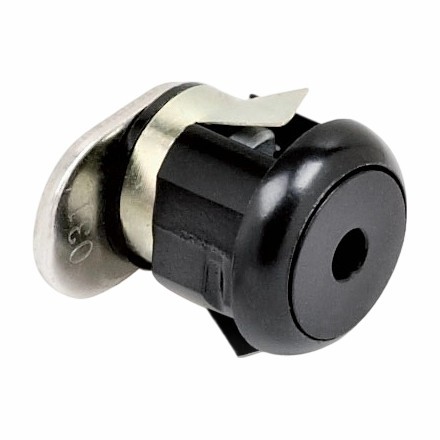
Large cam locks are commonly used in various applications, including cabinets, furniture, and storage units. They consist of a cam, which is a rotating piece attached to a shaft, and a strike plate. When the cam is rotated, it engages with the strike plate, locking the door or cover in place. These locks come in different types, such as Furniture Cam Lock, Cam Lock without Key, and Letter Box Cam Lock, each with its own unique features and applications.
Design Features and Child - Proofing
The concept of child - proofing a lock involves designing it in such a way that it is difficult for children to open. There are several design elements in large cam locks that contribute to their potential as child - proof devices.
Complexity of Operation
Many large cam locks require a certain level of dexterity and strength to operate. For example, some cam locks need to be turned with a key, which requires a child to grip the key correctly and turn it with the right amount of force. Young children often lack the fine motor skills and hand strength needed to perform these actions. Additionally, the combination of turning the cam and aligning it with the strike plate can be challenging for small hands.
Locking Mechanisms
Some cam locks feature more complex locking mechanisms, such as wafer tumbler systems. These systems use a series of wafers that must be aligned correctly for the lock to open. The alignment of the wafers is often difficult for children to achieve without the proper key or knowledge of the lock's operation. This added complexity can act as a deterrent to children trying to open the lock.
Real - World Effectiveness
While the design features of large cam locks suggest that they can be child - proof, their real - world effectiveness can vary depending on several factors.
Child's Age and Development
The ability of a child to open a cam lock is highly dependent on their age and development. Younger children, typically under the age of three, are less likely to be able to open a cam lock due to their limited motor skills and understanding. However, as children grow older and develop better hand - eye coordination and problem - solving skills, they may be more capable of figuring out how to open a lock. For example, a four - or five - year - old child might be more persistent and try different ways to turn the cam or manipulate the lock.
Lock Quality and Installation
The quality of the cam lock and its proper installation also play a crucial role in its child - proofing ability. A poorly made lock may be easier to open, even for a young child. For instance, if the cam is loose or the locking mechanism is not properly engaged, a child might be able to force the lock open. Similarly, if the lock is not installed correctly, it may not function as intended, reducing its effectiveness as a child - proof measure.

Limitations of Large Cam Locks as Child - Proof Devices
Despite their design features, large cam locks have some limitations when it comes to child - proofing.
Access to Tools
If a child has access to tools, such as a small screwdriver or a sharp object, they may be able to bypass the lock. Some children may be curious enough to try and disassemble or manipulate the lock using these tools. This is a significant concern, as it undermines the effectiveness of the lock as a child - proof measure.
Persistence and Curiosity
Children are naturally curious, and their persistence can sometimes overcome the design features of a lock. If a child is determined to access what is behind the locked door, they may keep trying different methods until they succeed. This can be especially true if they see other people opening the lock or if they are attracted to the contents of the locked area.
Complementary Safety Measures
To enhance the child - proofing of large cam locks, it is advisable to use complementary safety measures.
Educating Children
Teaching children about the importance of not opening locked doors and the potential dangers associated with accessing certain areas can be an effective way to prevent them from trying to open the locks. Parents and caregivers can have age - appropriate conversations with children, explaining why certain things are locked and why they should not attempt to open them.
Using Additional Locks or Barriers
In some cases, it may be necessary to use additional locks or barriers in conjunction with large cam locks. For example, using a secondary lock or a child - proof latch can provide an extra layer of protection. Barriers such as gates or door stoppers can also be used to prevent children from reaching the locked area.
Conclusion
Large cam locks have the potential to be child - proof, thanks to their design features such as the complexity of operation and the use of locking mechanisms. However, their real - world effectiveness is influenced by factors such as the child's age and development, lock quality, and installation. While they can provide a certain level of protection, they are not foolproof, and complementary safety measures should be used to enhance child safety.
If you are interested in purchasing high - quality large cam locks for your specific needs, whether it's for furniture, cabinets, or other applications, I encourage you to reach out to discuss your requirements. We can provide you with detailed information about our products and help you choose the most suitable cam locks for your situation.
References
- American Academy of Pediatrics. (2023). Childproofing Your Home.
- Consumer Product Safety Commission. (2023). Safety Standards for Locks and Latches.
Send Inquiry